
Autumn Diary 2026
(Click on the images for a larger picture.
If you are viewing Country Eye on a Smartphone or Tablet the page layout
may not be as intended, please see Accessibility
. )
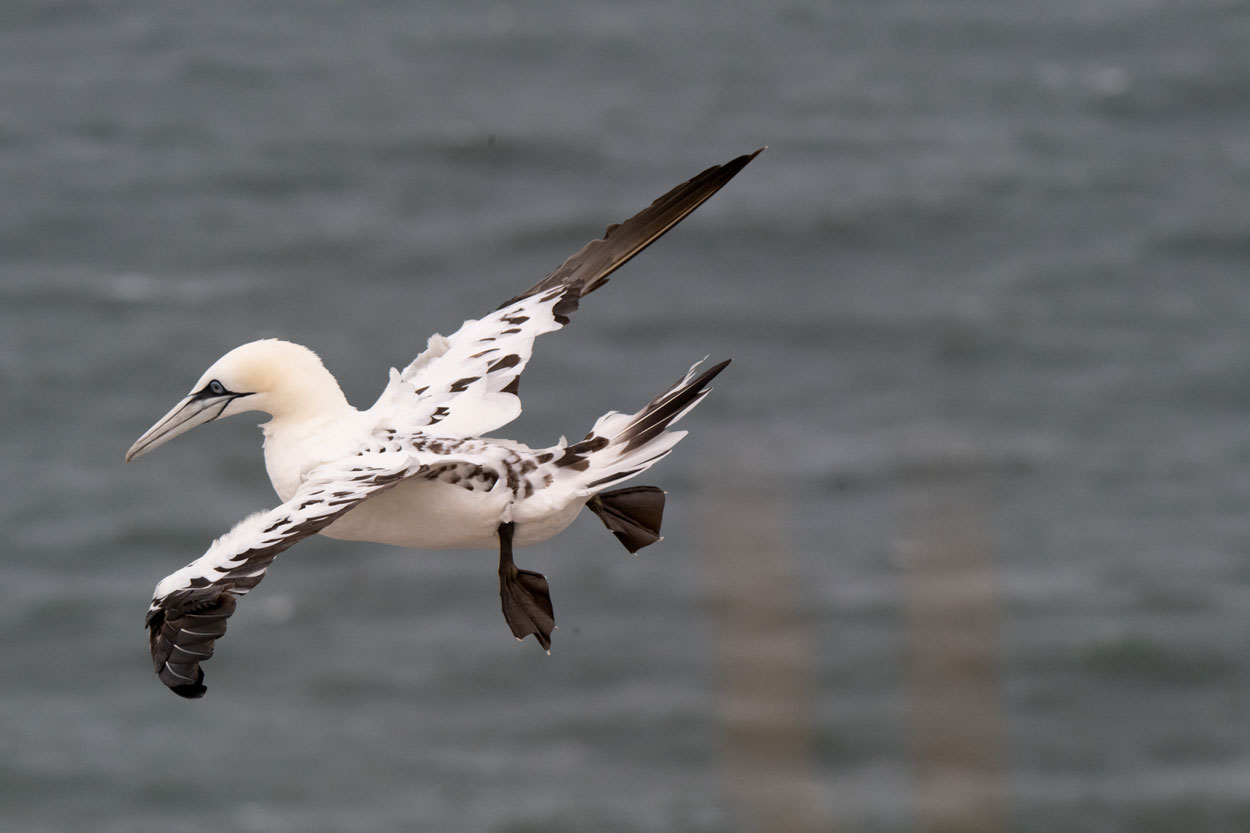 Gannet |
Here in south Lincolnshire, we enjoyed a sunny open autumn right up to the middle of October when the temperature dropped back to normal levels for the time of year and some welcome showers arrived. Towards the end of October two named storms reminded us that autumn can exhibit some vicious characteristics.
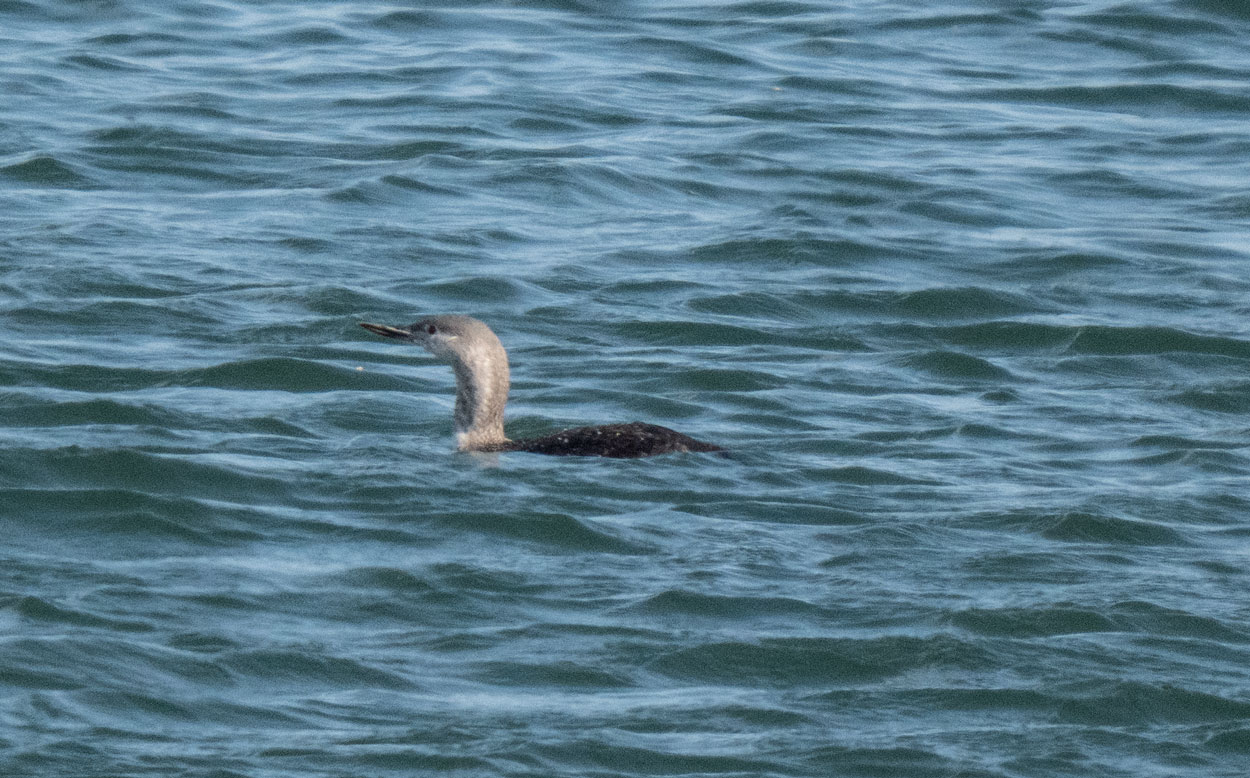 Red-throated Diver |
Northerly winds brought some exciting seabird passages to the east coast
and combined with very high tides blew some seabirds well into the Wash
off the Lincolnshire and Norfolk coast.
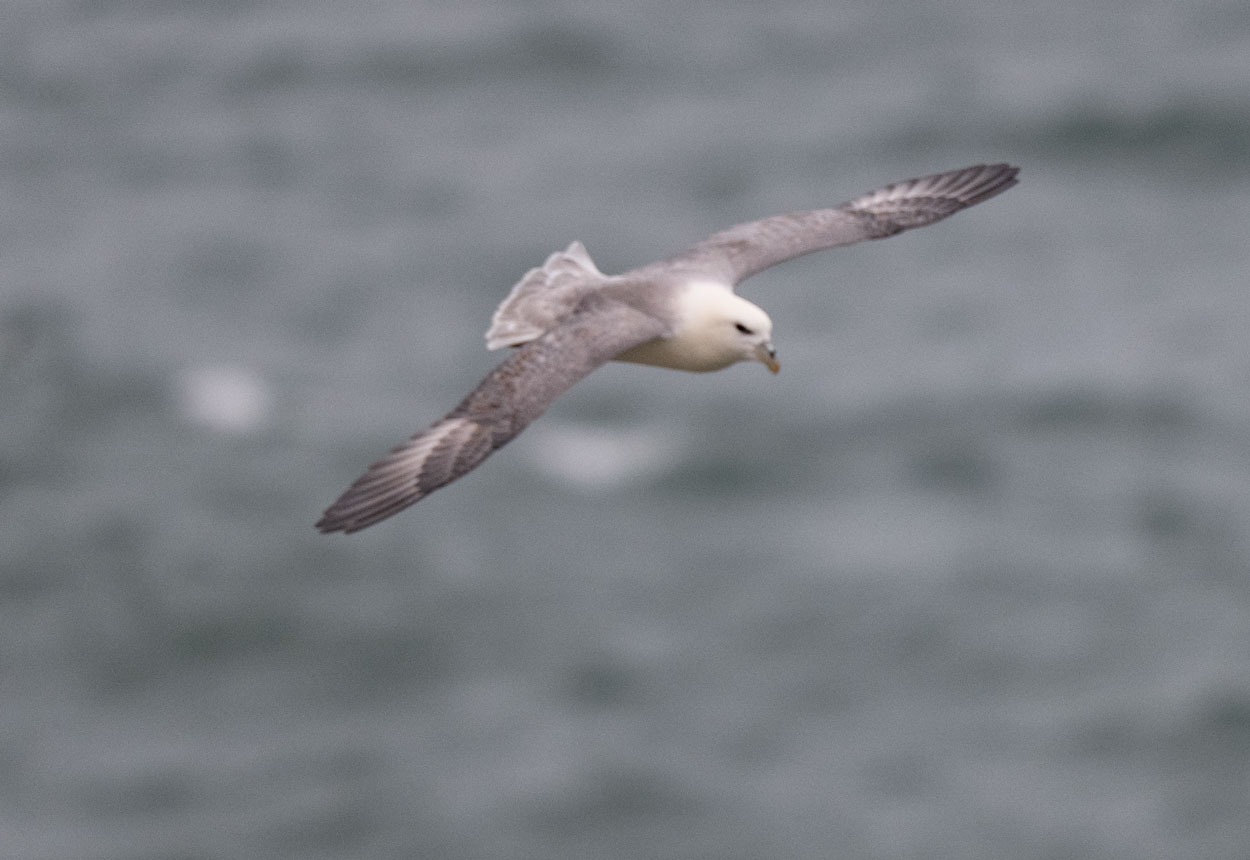 Fulmar |
Nevertheless, a powerful telescope was still required to identify some of the more distant seabirds. I rarely see Gannets in the Wash but over 100, along with more than 50 Manx Shearwaters, 4 Pomarine Skuas, 20 Arctic Skuas, 25 Red-throated Divers and a few Fulmars were just some of the highlights from several sea watches from the RSPB's Freiston Shore reserve.
Most of my favourite nature reserves suffered from a lack of water throughout the summer and well into the autumn which resulted in fewer migrant waders and wildfowl. Writing at the end of October wet areas are beginning to reappear but there is still a long way to go before normal levels are restored.
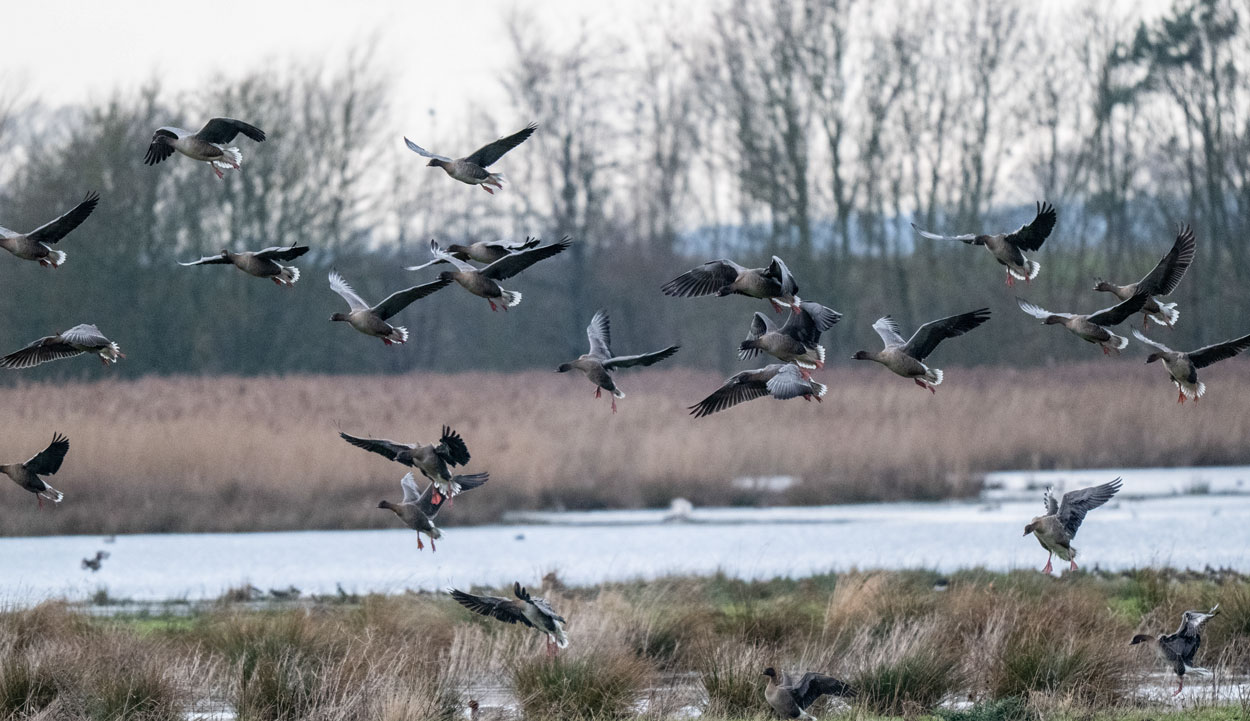 Pink-footed Geese |
Whooper Swans and geese are returning to our shores. Pink-footed Geese and Russian White-fronted Geese fly in the typical V formation whereas the feral population of Greylag Geese are less disciplined and fly in untidy gaggles. Both of these species will fly inland to feed in fields whereas the protected Brent Geese prefer to feed on the coastal saltmarshes.
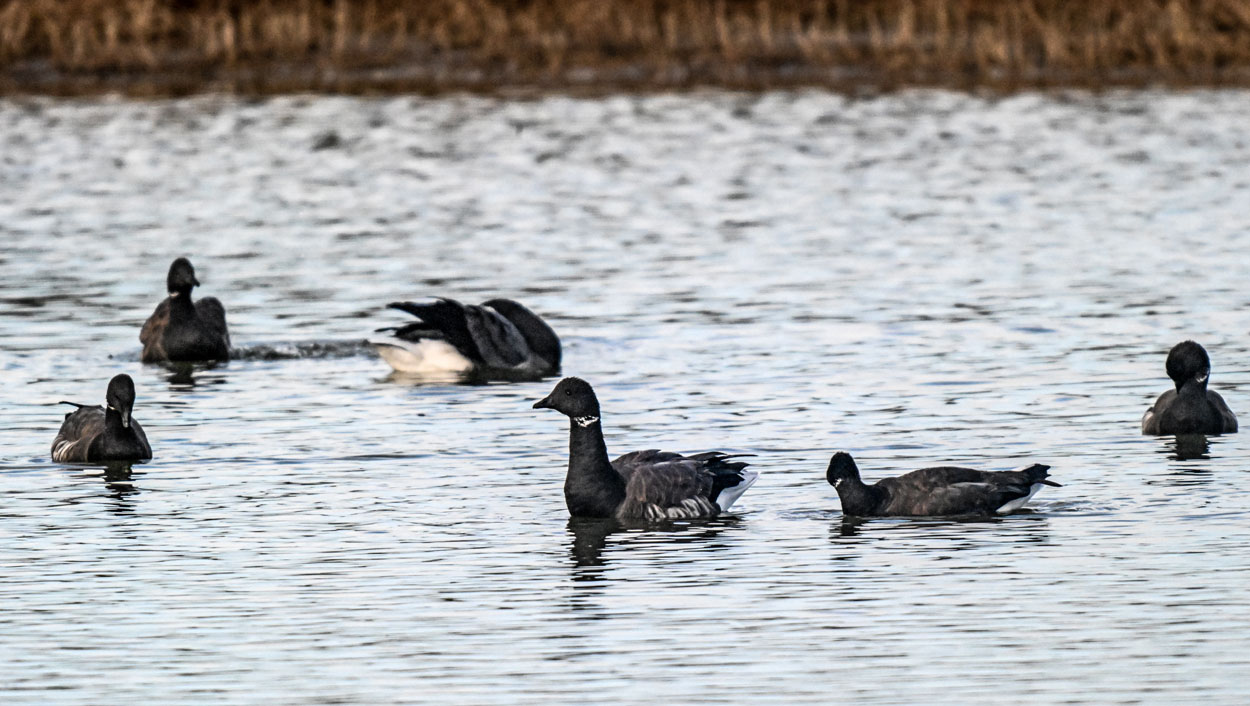 Brent Geese |
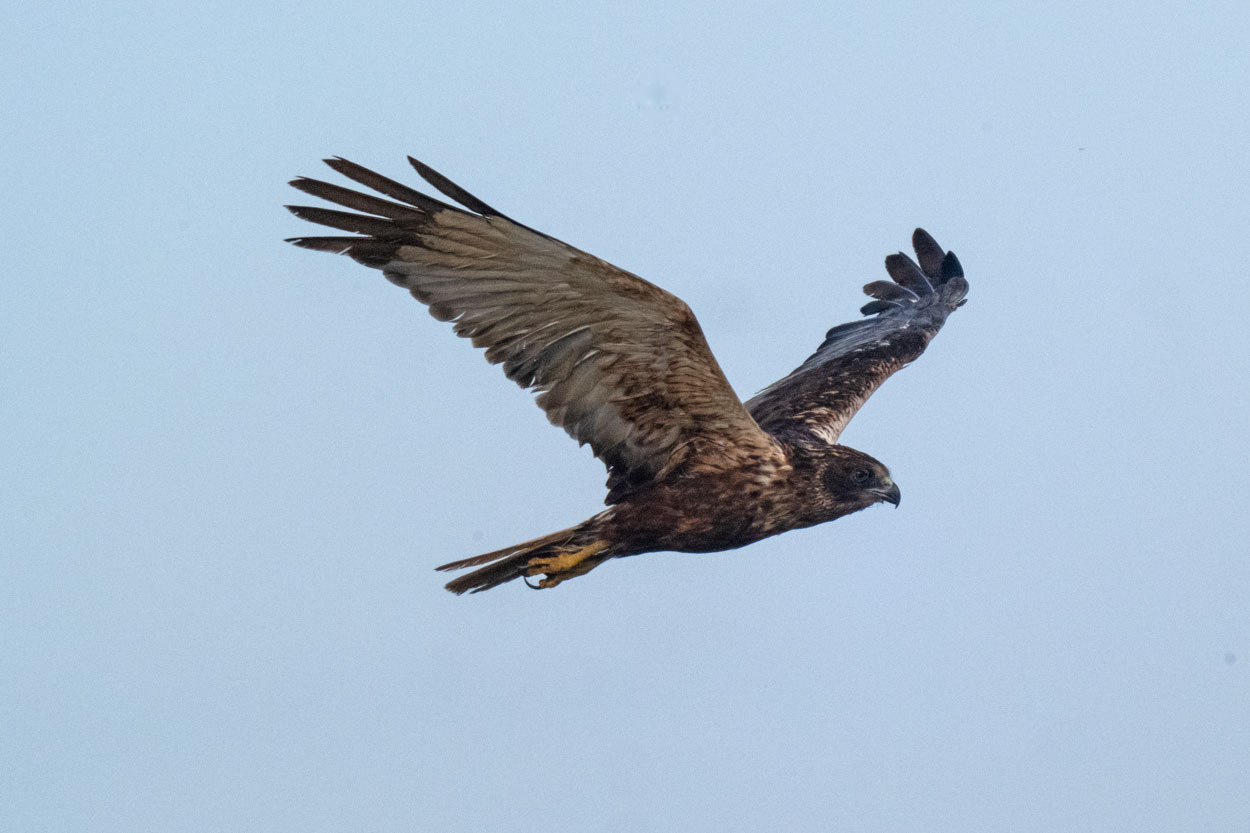 Marsh Harrier |
Meadow Pipits, Skylarks and Linnets can also be found on the coastal saltmarshes where they are hunted by birds of prey such as Short-eared Owls, Kestrels and the diminutive Merlin. Other birds of prey such as Peregrines and Marsh Harriers also hunt over saltmarshes and grazing marshes but prefer larger prey such as ducks and waders.
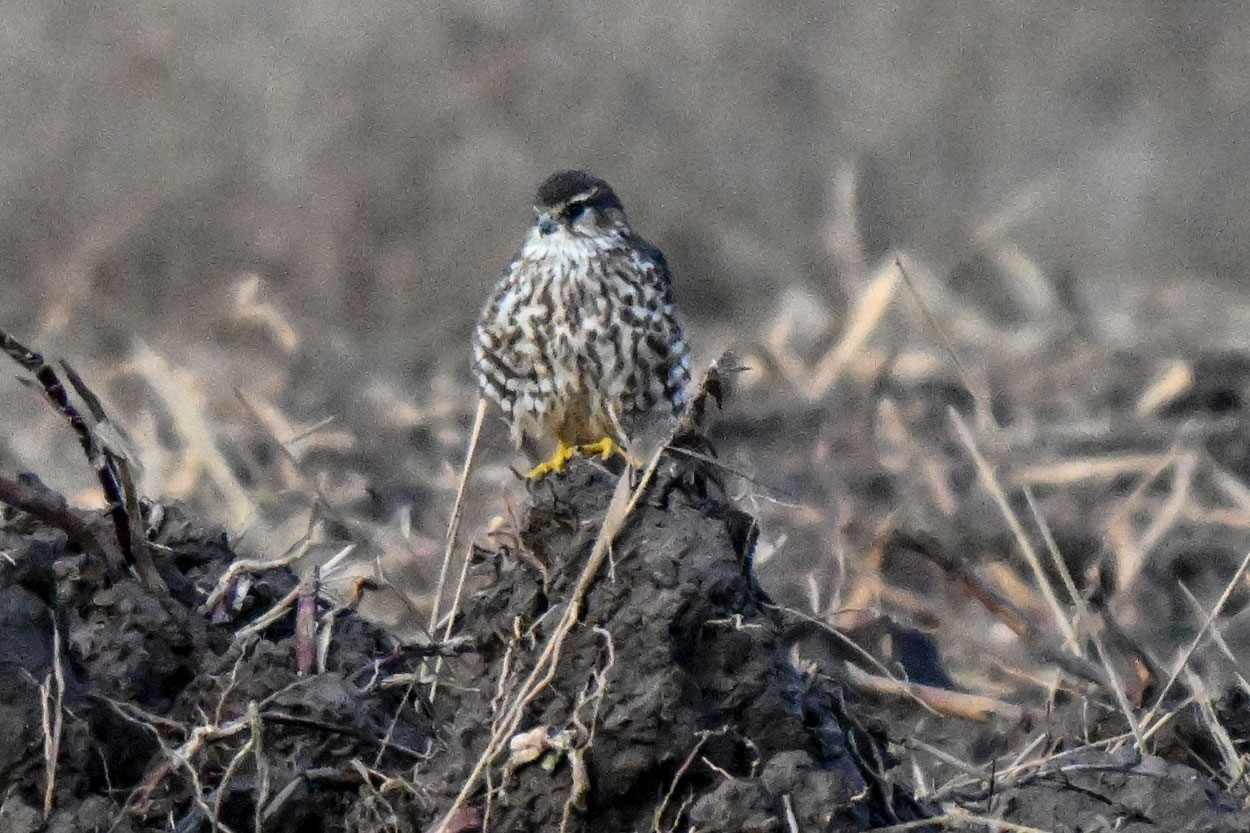 Merlin |
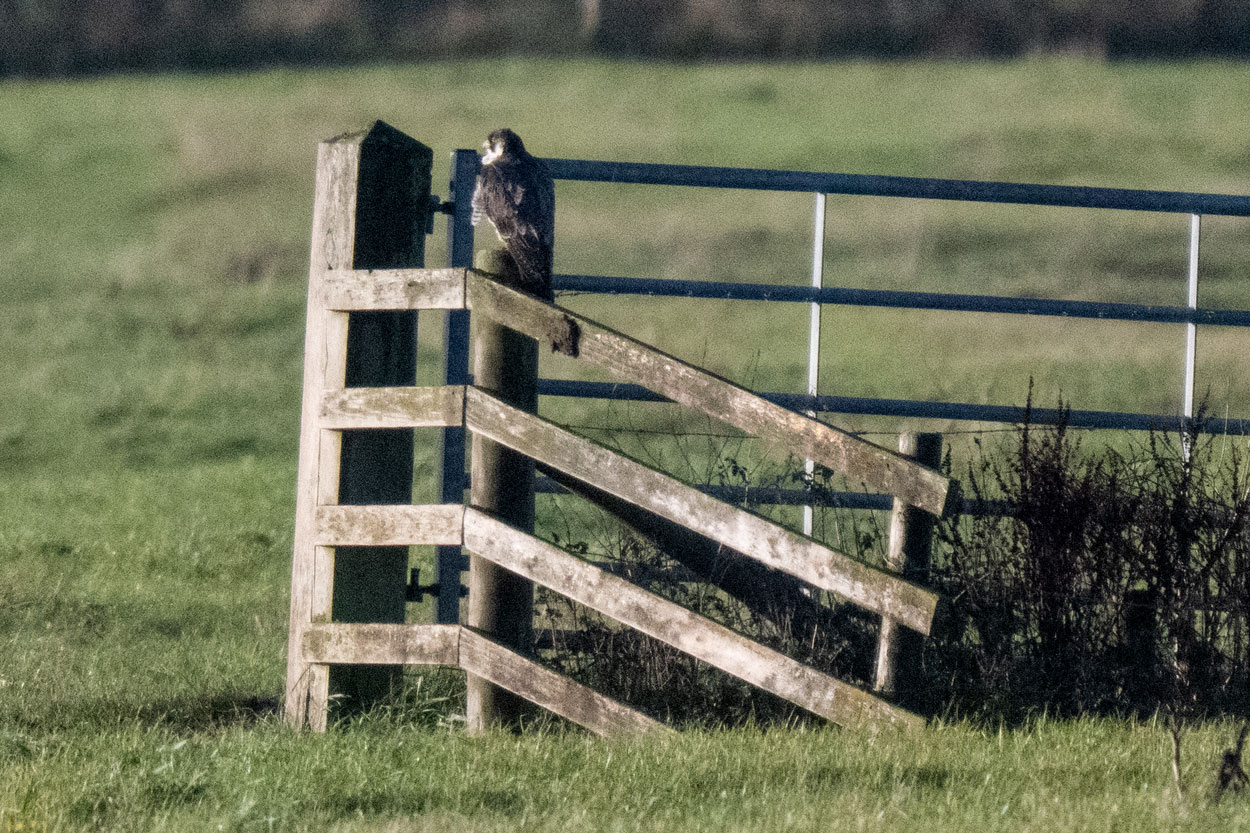 Peregrine |
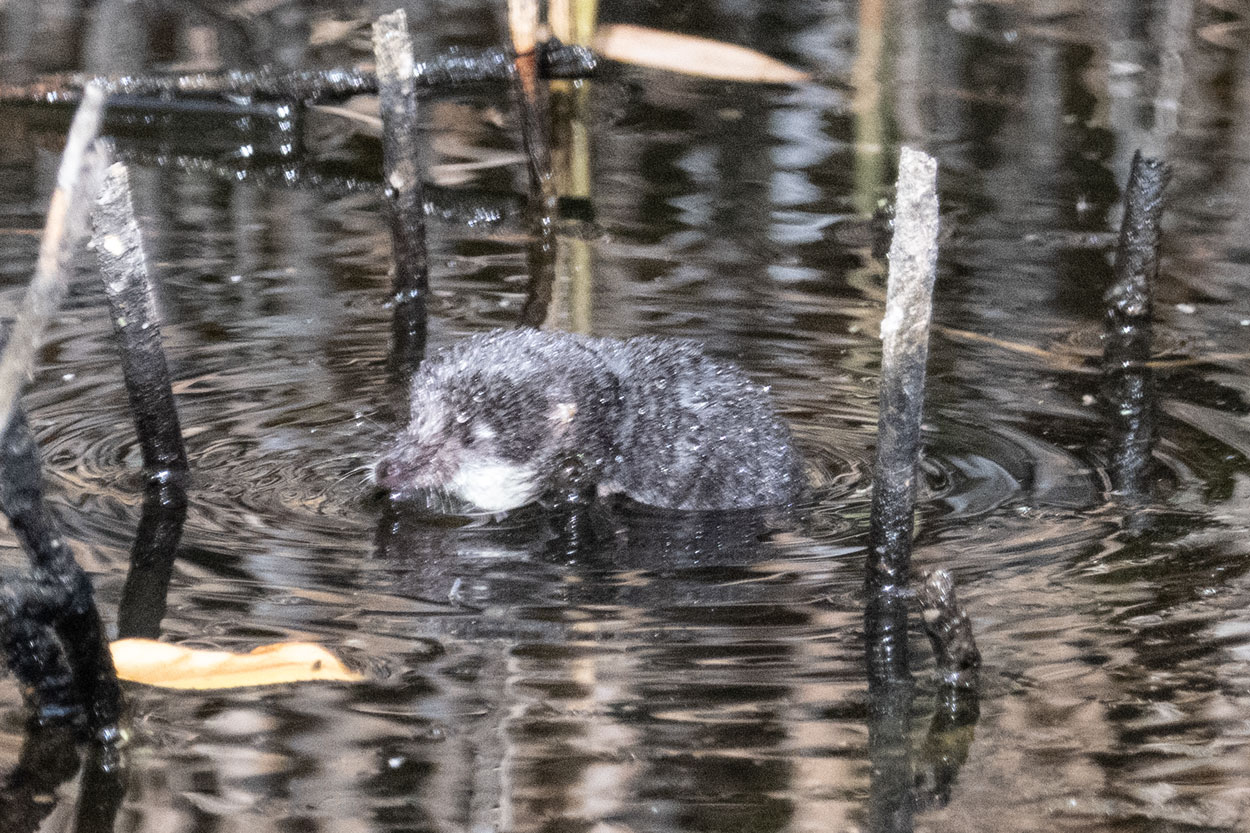 Water Shrew |
I have always been interested in wild mammals, but the smaller ones such as voles and shrews present a challenge to see, let alone photograph. I visited a small pond at RSPB Frampton Marsh where Water Voles had been regularly reported. I was surprised to find a very active Water Shrew. It spent much of the time swimming under water surfacing to feed on the invertebrates that it had caught. If you find a Water Shrew avoid handling it as they have a toxic bite! It won't kill you, but it is bad enough to kill some of the shrews potential predators and deter others.
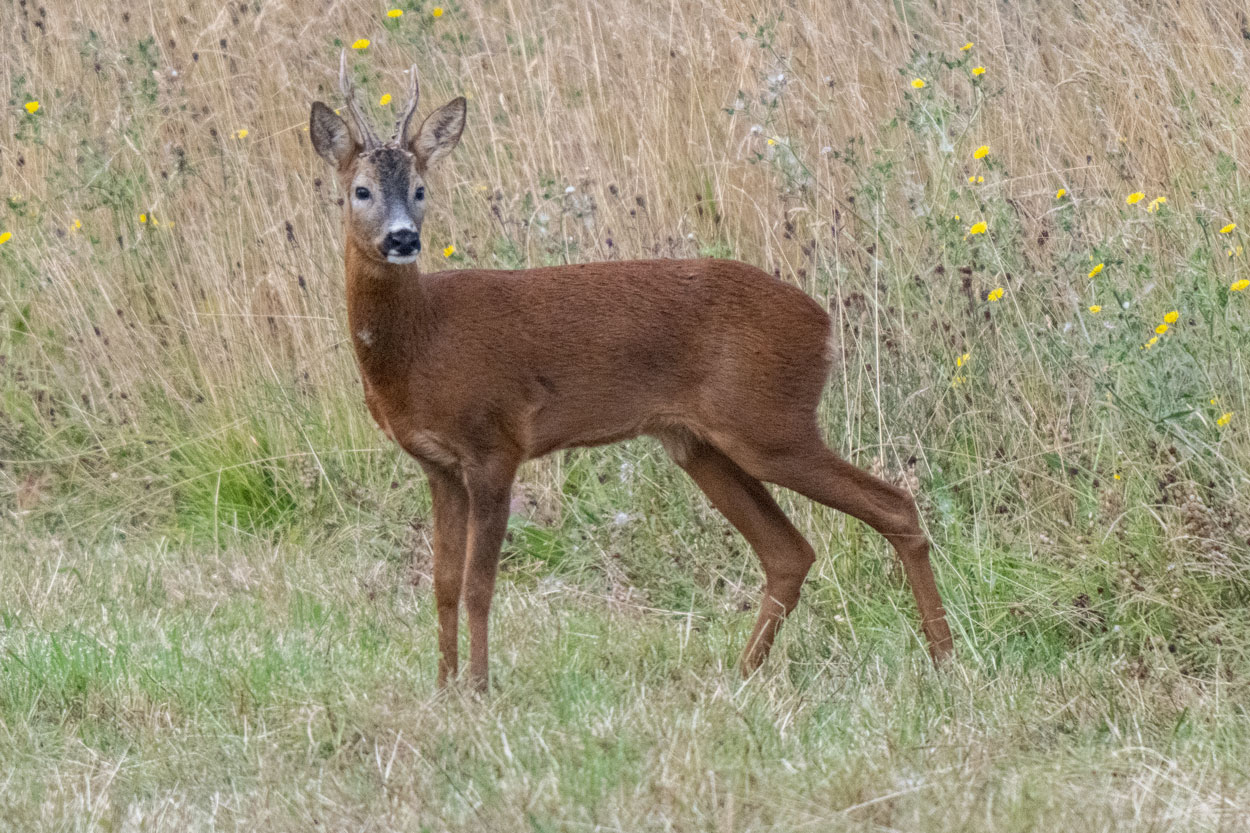 Roe Deer |
Deer continue to increase in numbers; especially Fallow Deer and Muntjac. Our native Roe Deer seems to be doing well but here in south Lincolnshire they seem unable to compete with Fallow Deer and Muntjac in the woods, so they are more or less confined to the fens.
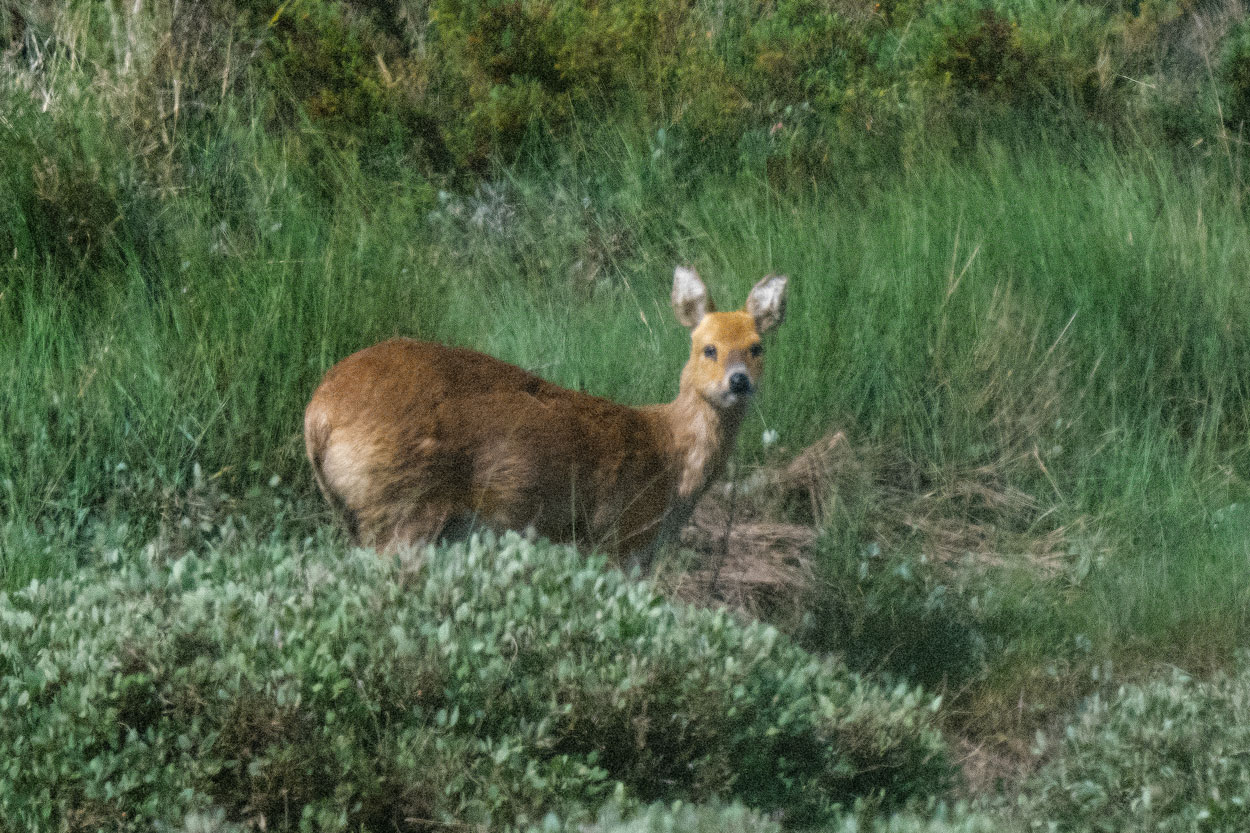 Chinese Water Deer |
Another Asian deer has become common all around the Norfolk coast and seems to be expanding its range into neighbouring Lincolnshire. This is the Chinese Water Deer which prefers to hide in extensive reedbeds, but as the population increases it is becoming less choosy and uses any kind of vegetation near water to hide and breed.
Ian Misselbrook
October 2026
Some text may be lost if you are viewing with a low screen resolution - click here for more info